
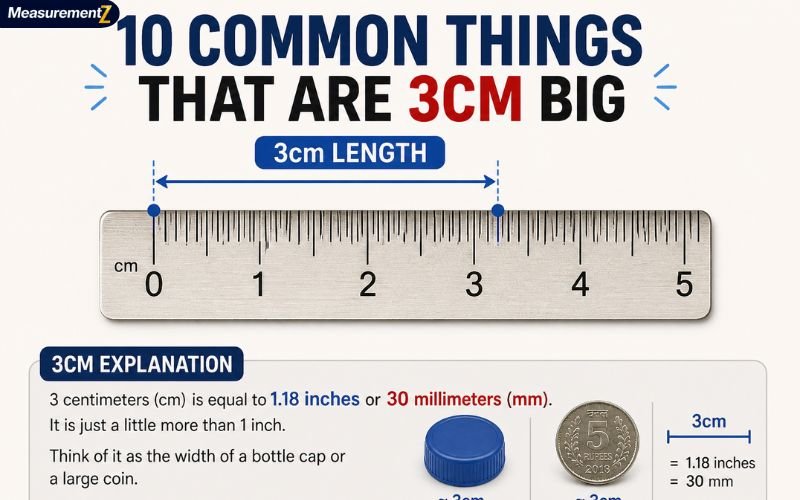
How big is 3 cm? 3 centimeters (cm) is equal to 1.18 inches or 30 millimeters (mm). It is just a little more than 1 inch.
This size is small but easy to notice. It is often used to measure small objects like buttons, keys, or short lengths in daily life. If you imagine something slightly longer than your fingertip width, you are close to 3 cm.
Knowing this size helps you estimate length quickly without always using a ruler.
What Is 3 cm in Simple Terms
3 cm is a short length, but it is bigger than many tiny objects. It is a little more than 1 inch, so it is easy to compare with things you already know. If you have seen 2 inches, then 3 cm is much smaller than that, but still visible and practical.
This size is often used in crafts, school work, and small measurements at home. For example, when cutting paper, measuring small gaps, or checking thickness, 3 cm is a common value.
Think of it like this:
- It is about the width of two fingers placed together
- It is close to the size of a large coin
- It is similar to a small key head
When people ask “what does 1.18 inches look like,” this is exactly where 3 cm fits. It is small but not tiny.
Understanding this size helps you measure quickly without tools. Once you know it, you can spot it easily in daily life.
How Big Is 3 cm
3 centimeters (cm) is equal to 1.18 inches or 30 millimeters (mm). It is just a little more than 1 inch, so it is small but clearly visible.
In simple terms, 3 cm is about the width of two fingers placed together. It is also close to the size of a bottle cap or a large coin. These everyday items make it easy to understand without using a ruler.
If you already know what 1 inch looks like, then 3 cm is slightly longer than that. Compared to 2 inches, it is still much smaller, which helps you see the difference in size clearly.
People often ask, “what does 1.18 inches look like?” A quick answer is:
- A bottle cap
- A small key head
- A marker cap width
This size is commonly used for measuring small objects, gaps, and thickness in daily life. It is big enough to notice but still compact.
Once you remember these examples, you can easily estimate 3 cm anywhere without needing a ruler.
Measurement Without a Ruler
You can estimate 3 cm using simple methods:
1. Using Fingers
Two finger widths (index and middle) together are close to 3 cm.
2. Using Thumb
The width of your thumb is often around 2–3 cm, so it is a good quick guide.
3. Using Common Objects
A large coin, bottle cap, or small key head is close to 3 cm.
These methods help you measure fast when you don’t have a ruler.
Related Post: 10 Common Things That Are 2 Centimeters Long/Big
Quick Comparison Table
| Item | Size in Inches |
| Bottle Cap Diameter | ~1.1–1.2 inches |
| Large Coin Width | ~1.2 inches |
| Key Head Width | ~1.1 inches |
| Marker Cap Width | ~1.2 inches |
| Small Candle Diameter | ~1.2 inches |
| Lip Balm Stick Width | ~1.1 inches |
| Watch Dial (Small) | ~1.2 inches |
| Cookie (Mini) | ~1.2 inches |
| Glue Stick Diameter | ~1.1 inches |
| Drawer Knob Width | ~1.2 inches |
1. Bottle Cap Diameter
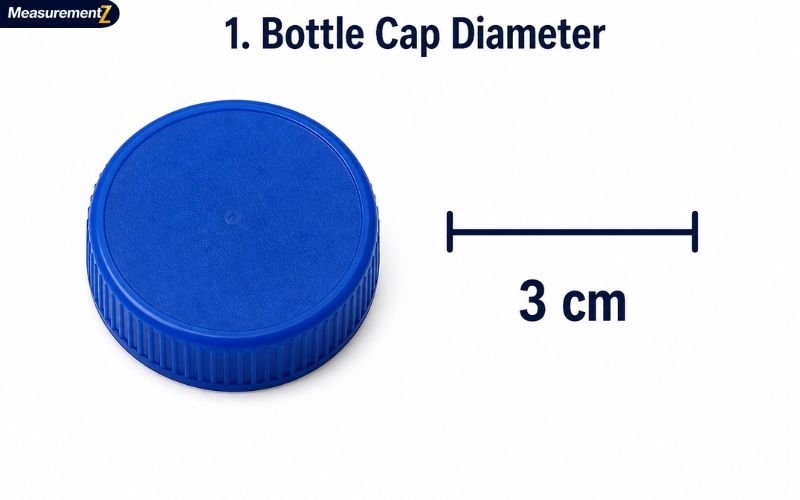
A standard bottle cap is a very clear example of 3 cm. When you look at a soft drink or water bottle cap, its width is usually close to this size.
This makes it one of the easiest ways to understand what 3 cm looks like. It is not too small and not too large. You can hold it easily between your fingers.
Compared to 3 inches, it is much smaller, which helps you understand the scale difference. Bottle caps are designed to fit comfortably in hand, which is why this size is common.
If someone asks “how big is 1.18 inches,” you can simply point to a bottle cap. It gives a quick and clear answer.
This example is useful in daily life. Whether you are measuring something small or estimating size, a bottle cap is a reliable reference.
Related Post: 13 Common Things That Are 3 Inches Long
2. Large Coin Width
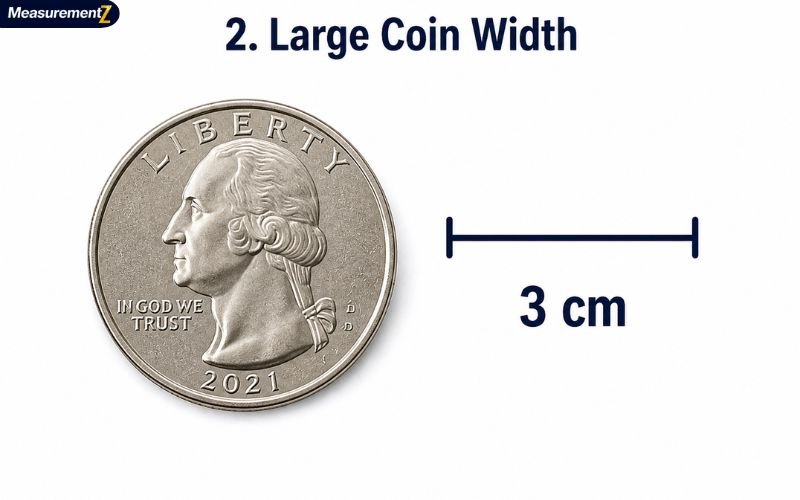
Many large coins have a diameter close to 3 cm. This makes them a simple and common reference.
Coins are easy to carry and easy to compare. When you place a coin on a table, its width gives you a quick idea of 3 cm.
This is helpful when thinking about what does 1.18 inches look like. A coin shows it clearly without needing tools.
Compared to 4 inches, this size is still small. It fits easily in your pocket and is used for everyday transactions.
Using coins as a reference is practical. You can quickly estimate measurements when shopping, crafting, or working on small tasks.
3. Key Head Width
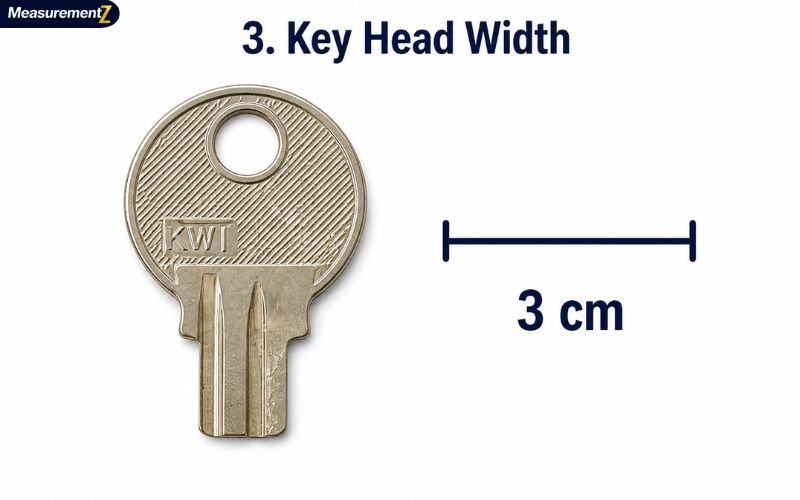
The top part of a small key is often about 3 cm wide. This makes it another useful example.
Keys are designed to be easy to hold. That is why their head size is usually around this measurement. It gives a good grip without being too large.
If you compare it with 2 inches, you will see that 3 cm is much smaller. This helps you understand how compact this size is.
This example is helpful in daily life. When you hold a key, you can quickly judge small measurements using it as a guide.
Related Post: 11 Common Things That Are 11 Inches Long
4. Marker Cap Width
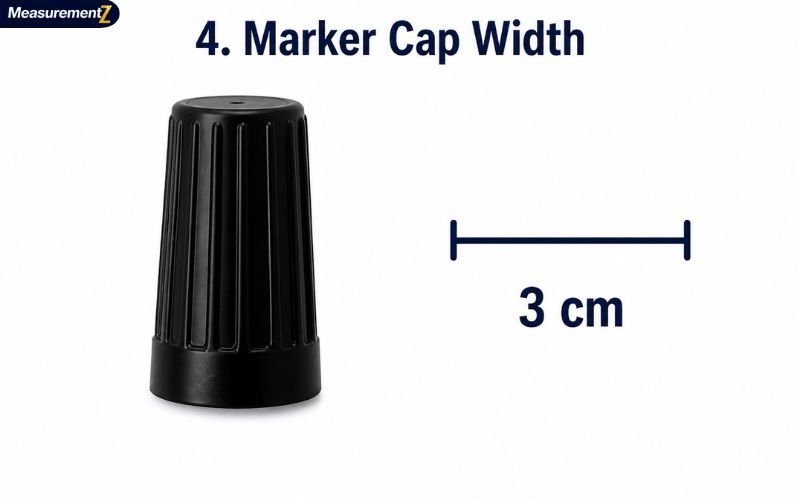
A marker cap is often close to 3 cm in width. It is slightly bigger than a pen cap, making it easy to grip.
This size is common because it balances comfort and usability. It is large enough to hold but still compact.
If you are looking for 3 cm examples, a marker cap is a great one. It is easy to find at home or school.
Compared to 5 inches, it is very small, which helps you understand size differences clearly.
5. Small Candle Diameter
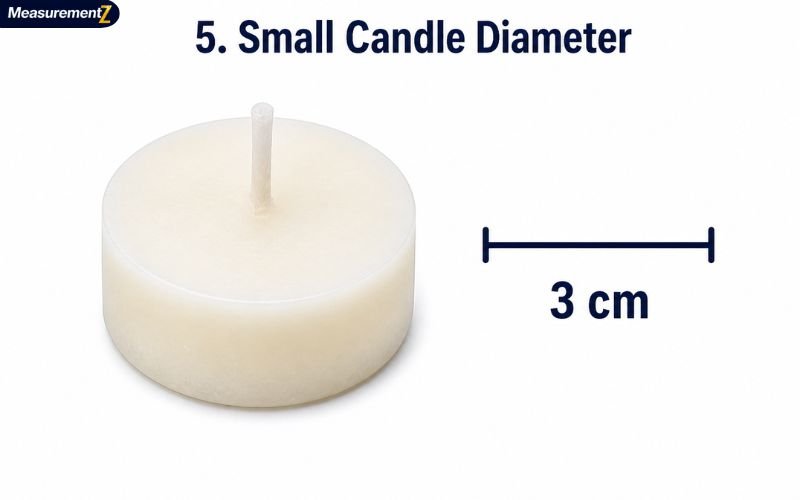
A small decorative candle often has a diameter of about 3 cm. This makes it a useful visual reference.
Candles of this size are common for decoration or short use. They are small but noticeable.
This example helps when you think about “how big is 1.18 inches.” It shows a round object that is easy to picture.
It is also useful for home decoration planning. You can estimate sizes without measuring tools.
Related Post: 13 Common Things That Are 13 Inches Long
6. Lip Balm Stick Width
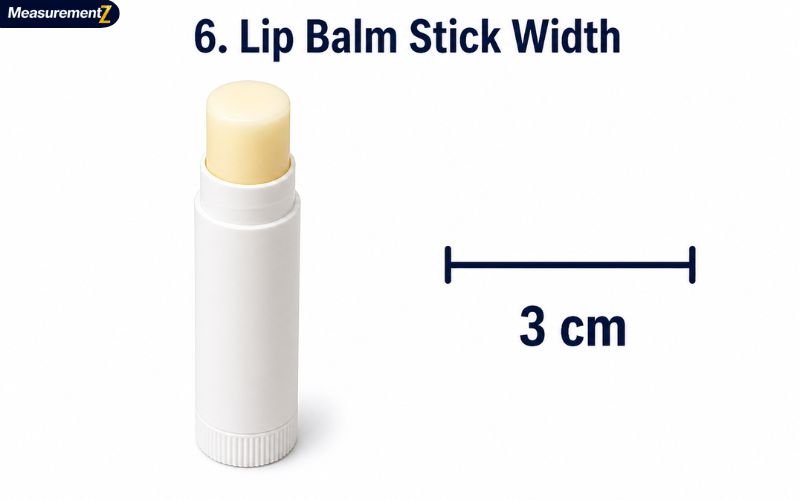
The width of a lip balm stick is close to 3 cm. This is a very common item used daily.
Its size is designed for easy handling. It fits well in pockets and bags, which makes it practical.
This example helps you understand small measurements in everyday life. It is simple and easy to remember.
7. Watch Dial (Small)
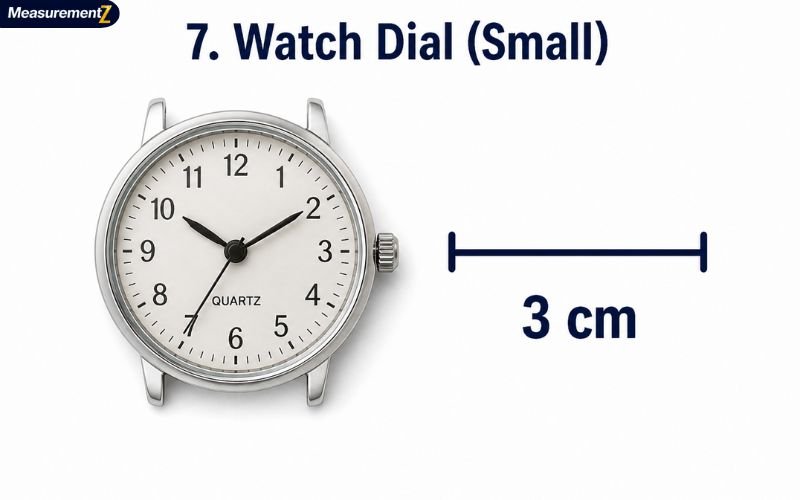
A small watch dial is often around 3 cm wide. This makes it a great example.
Watches are designed to be readable and comfortable. That is why this size is common.
If you compare it with 6 inches, you will see a big difference. This shows how small 3 cm really is.
This example is useful when shopping for watches or estimating sizes.
8. Mini Cookie
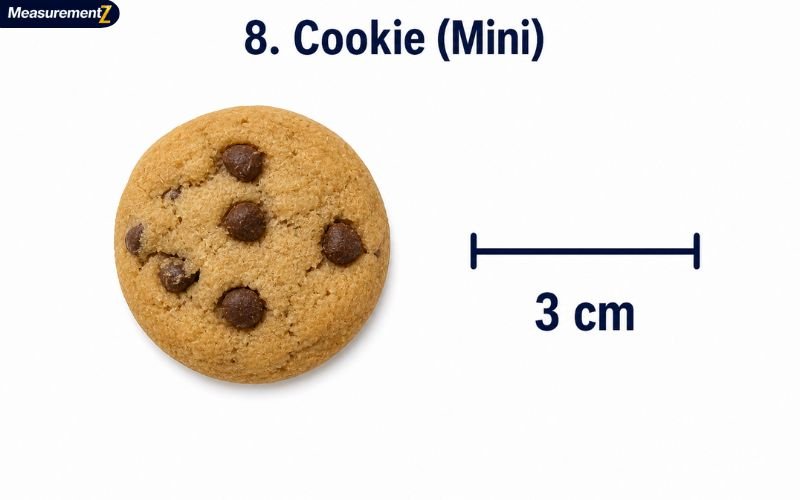
A small cookie often measures about 3 cm in diameter. This is a fun and relatable example.
Food items are easy to understand because you see them often. A mini cookie gives a clear idea of this size.
This helps answer questions like “what does 1.18 inches look like” in a simple way.
9. Glue Stick Diameter
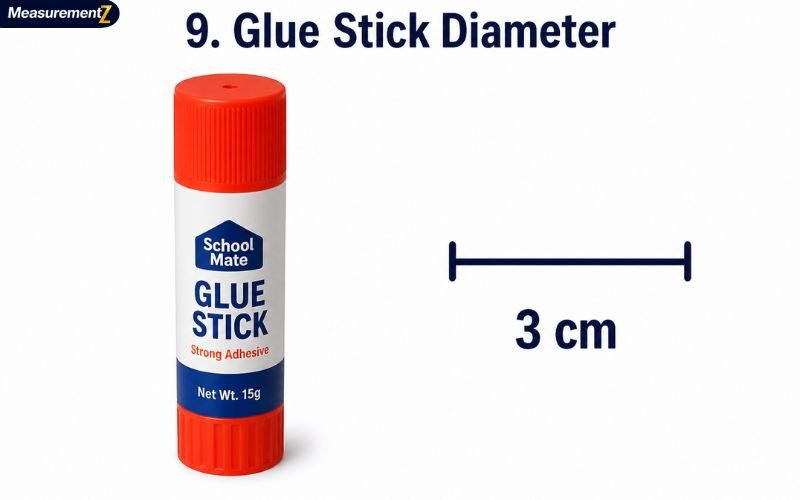
A glue stick is another good example of 3 cm. Its width is designed for easy use.
This size allows smooth application without making the stick too bulky. It is practical and common.
This example is helpful for students and office work.
10. Drawer Knob Width
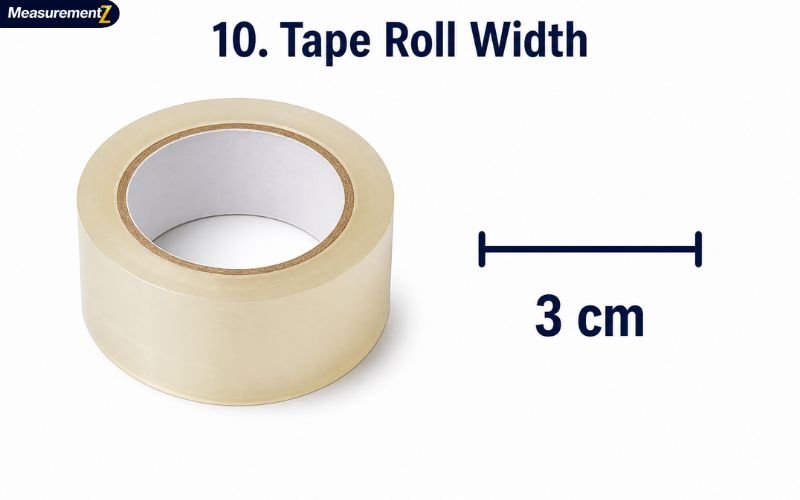
A small drawer knob is often around 3 cm wide. This makes it a perfect everyday example.
Knobs are designed to be easy to hold and turn. That is why this size is widely used.
Compared to 7 inches, it is very small, but still easy to notice and use.
Related Post: 17 Common Things That Are 12 Inches Long
FAQs
How big is 3 cm in inches?
3 cm is about 1.18 inches.
What does 3 cm look like?
It looks like a bottle cap, large coin, or small key head.
Is 3 cm big or small?
It is small, but easy to see and measure.
How can I measure 3 cm without a ruler?
Use two fingers, a thumb width, or a bottle cap as a guide.
Conclusion
3 cm is equal to 1.18 inches or 30 mm. It is a small but useful measurement used in daily life.
By comparing it with objects like bottle caps, coins, and keys, you can easily understand its size. You can also estimate it using your fingers or common items.
Once you get familiar with 3 cm, it becomes easy to recognize and use without a ruler.
For Measuring Quick Measurements, Explore Our Convertor Tool!
